The Ultimate
Material Calculator
Whether you're building a patio, filling a garden bed, or spreading mulch, our Material Calculator helps you figure out exactly how much material you need in seconds.

📐 Calculate Your Project
ASTM CalibratedDynamic Layout Visualizer
72 sq ftTotal Bulk Volume
Order Unit= 18.0 cubic feet
Estimated Total Weight
Haulage≈ 1,474 lbs (Payload)
Standard Lowe's / Home Depot / Scott's bag sizes
Bulk delivery fees typically add $60–$120 per drop
Vehicle Haulage Assessment
Weight is safe for standard pickup trucks & trailers.
How Bulk Estimating Works
Measure Project Area
Input your bed or slab dimensions (Length × Width or Radius) and target depth in inches.
Select Material Density
Our calculator matches your specific material with calibrated ton-per-yard density factors.
Order with Confidence
Get exact bulk cubic yards, vehicle payload tons, 40lb store bag equivalents, and estimated project cost.
Interactive Material Calculators
Dedicated density profiles, bag yields, and compaction formulas for each material.
Featured Project Guides
Deep dives into material weights, bag yield formulas, and step-by-step DIY installation rules.
Weight of a Cubic Yard of Topsoil: Dry vs. Wet Chart & Truck Guide
How much does a cubic yard of topsoil weigh? Get exact weights for dry, moist, and wet soil, plus truck payload limits and bag conversion charts.
Topsoil vs Fill Dirt: Key Differences, Weight, and When to Use Which
Confused about topsoil vs fill dirt? Learn when to use nutrient-rich organic topsoil for lawns versus compactable fill dirt for structural foundations.
How Many Bags of Topsoil in a Cubic Yard? (40lb & 50lb Guide)
Calculate exactly how many 40lb or 50lb bags make up a cubic yard of soil. Includes area coverage tables, cost math, and truck payload safety limits.
How to Build a Long-Lasting Gravel Driveway Base: #57 Stone vs. Crusher Run
Learn how to build a durable gravel driveway base. Compare #57 washed stone vs. crusher run, understand compaction rules, and calculate exact tonnage.
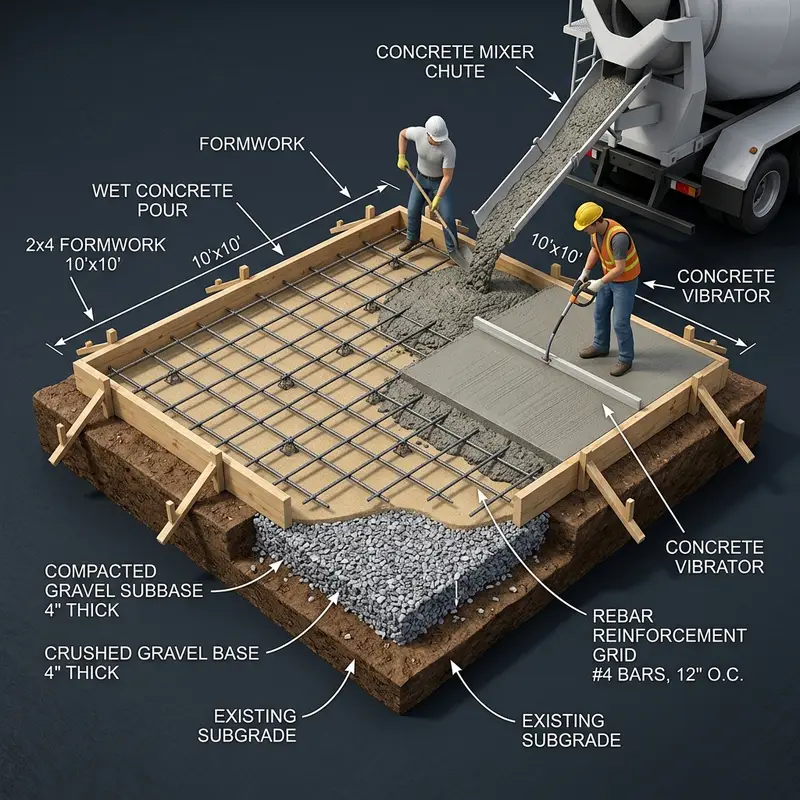
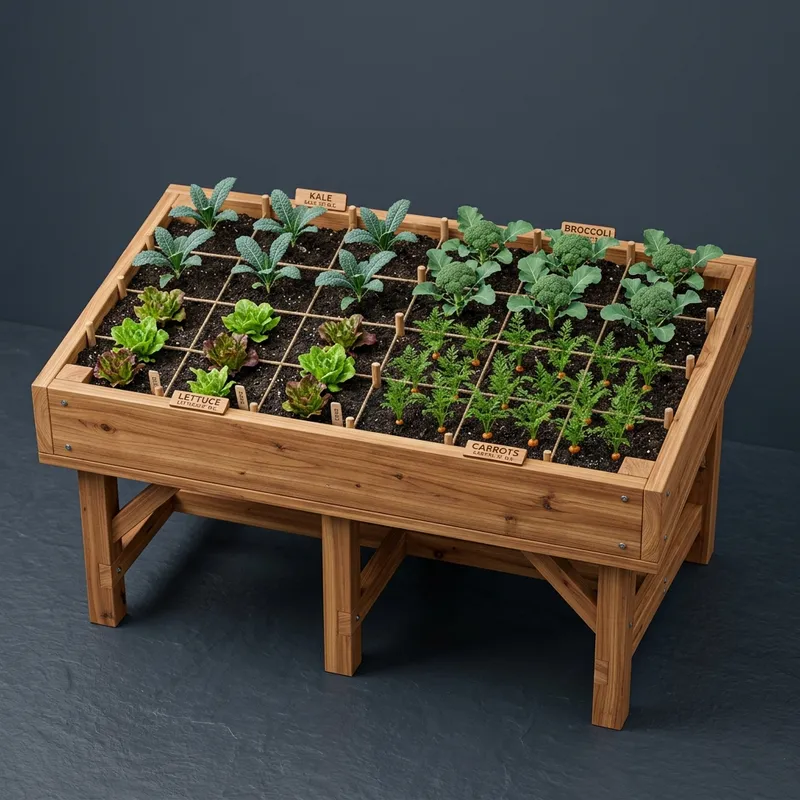
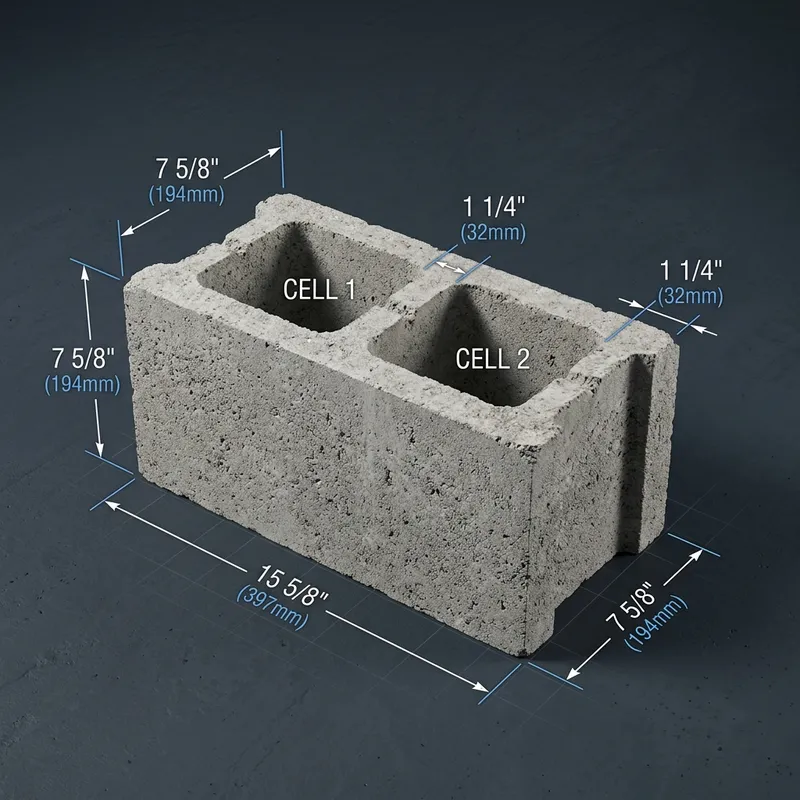
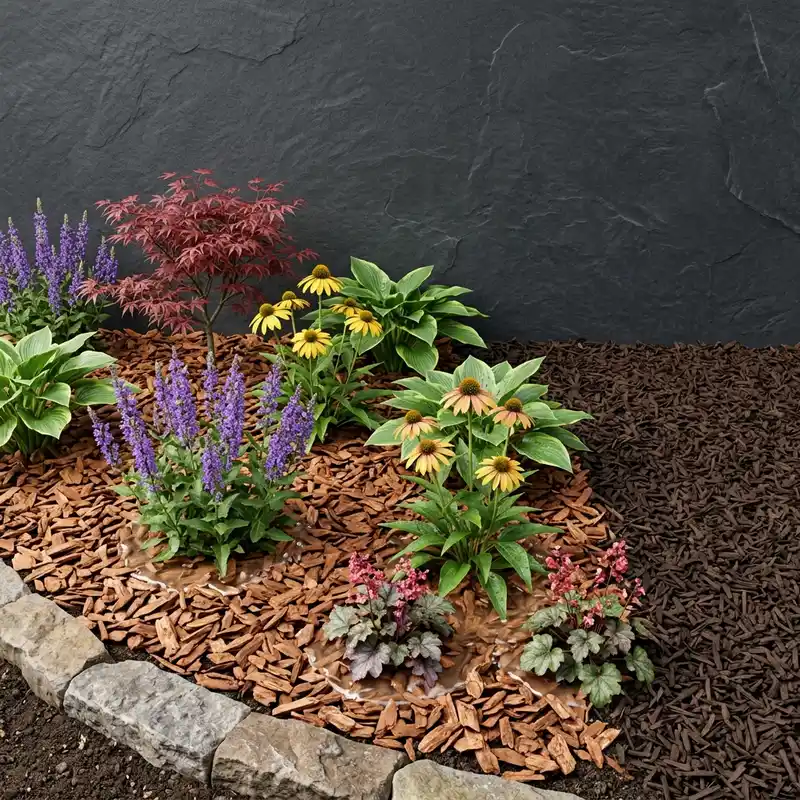
How Our Material Calculator Works
Most landscaping materials (topsoil, mulch, compost, gravel) are sold by the cubic yard. To find out how many cubic yards you need, you use a simple geometric formula.
- Step 1: Measure your length and width in feet.
- Step 2: Measure your depth in inches, and divide by 12 to convert it to feet.
- Step 3: Multiply Length × Width × Depth to get Cubic Feet.
- Step 4: Divide Cubic Feet by 27 (since there are 27 cubic feet in a cubic yard).
Material Densities & Weight
If you are picking up material in a truck, knowing the volume isn't enough—you need to know the weight. Different materials have vastly different densities. For example, wet topsoil is incredibly heavy, while cedar mulch is very light.
| Material | Estimated Weight per Cubic Yard | Standard Use |
|---|---|---|
| Topsoil (Dry) (Screened) | ~2,200 lbs (1.1 Tons) | Gardens, lawn seeding |
| Topsoil (Wet) (Subsoil) | ~2,500 lbs (1.25 Tons) | Deep grading, subbase |
| Gravel / River Rock (#57) | ~2,800 lbs (1.4 Tons) | Driveways, drainage |
| Wood Mulch (Hardwood) | ~700 lbs (0.35 Tons) | Moisture control, beds |
| Sand (Ready-Mix) | ~4,050 lbs (2.0 Tons) | Patios, footings, pads |